
Cedar fences in North Texas typically last 15-30 years depending on maintenance, installation quality, and exposure; you can extend service life with regular sealing, prompt repairs, and proper post setting.
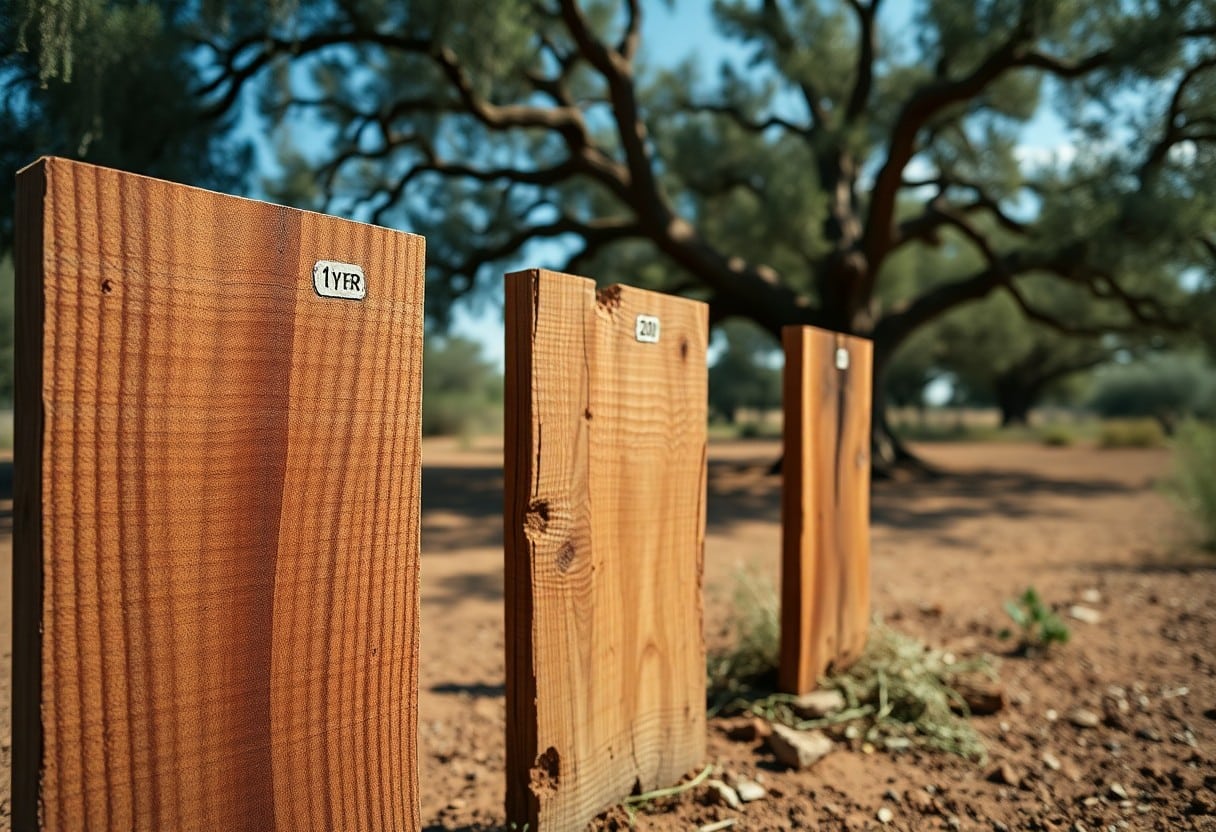
Material Properties of Western Red Cedar
Cedar’s low density, tight grain, and natural oils give you a wood that resists warping and splitting more than many fence species, helping a North Texas fence retain straight boards and structural integrity when installed with correct fasteners and spacing.
Natural Oils and Rot Resistance
Oils in western red cedar give you inherent rot and insect resistance, so untreated cedar performs better than many species; periodic staining or oiling further prolongs life, especially after wet North Texas summers.
Dimensional Stability in High Heat
Heat-resistant grain and low shrinkage mean you can expect less cupping and twisting than with pine, though direct sun and repeated wet-dry cycles still demand good airflow, correct board orientation, and sealed cut ends.
Because cedar has a straight, tight grain and low tangential shrinkage, you will see smaller dimensional changes across temperature swings than with many softwoods. You should orient boards, use widely spaced fasteners, and seal all end grain to minimize checking and cupping in North Texas sun. Quarter-sawn stock reduces movement even more, and routine resealing every 2-3 years helps you keep boards stable and prolongs service life.
Impact of the North Texas Climate
Climate swings in North Texas shorten cedar-fence lifespan, as you face hot, dry summers, intense sun, and occasional severe storms that accelerate UV bleaching, cracking, and moisture-driven decay-reducing service life compared with milder areas.
Intense UV Exposure and Wood Fiber Degradation
Sunlight in North Texas breaks down cedar fibers quickly, so you will see surface graying, splintering, and reduced structural strength unless you apply UV-blocking finishes and perform regular maintenance.
Soil Composition and Moisture Retention
Soils with high clay content hold moisture against post bases, so you should expect faster rot and insect problems unless you improve drainage or use treated posts and concrete footings.
Post holes in clay-heavy or poorly drained soils trap water against cedar, increasing decay; you can reduce risk by packing holes with gravel, setting posts on concrete with drainage gaps, using metal anchors to keep wood above soil, choosing pressure-treated posts below grade, and grading soil to shed water away from fence lines. Regular inspections catch early rot before it spreads.
Average Lifespan Projections
Average cedar fences in North Texas typically last 15-25 years with basic upkeep; you should expect climate, soil contact, and pest exposure to push that range lower or higher depending on maintenance frequency.
Estimated Years for Untreated Fencing
Untreated cedar often endures about 10-15 years in North Texas; you will see faster degradation where boards touch soil or remain shaded and damp, so plan replacements sooner if you skip finishes.
Lifespan Extension via Professional Staining
Professional staining can add 5-10 years to a cedar fence’s service life; you should budget for reapplications every 3-5 years to sustain UV and moisture protection under North Texas sun and storms.
Applying oil‑based penetrating stains with mildew inhibitors and UV blockers gives the best balance of protection and appearance; you should require pressure washing, minor repairs, and end‑grain sealing beforehand, and hire a contractor who verifies adhesion and even coverage to maximize longevity.
Professional Installation Standards
Professional installation ensures you get correct post depth, spacing, fastener selection, and premium cedar; you should require precise board alignment and contractor-applied protective finishes to maximize fence life.
Steel Post Integration (Post-on-Pipe)
Steel post-on-pipe anchors give you greater stability and reduce wood-to-soil contact, so you should verify weld quality, sleeve depth, and proper concrete backfill for long-term performance.
Proper Ground Clearance and Drainage
Ensure you leave two to four inches of clearance beneath bottom boards and slope soil away to prevent pooling, which stops water from accelerating cedar decay.
Properly managing clearance and drainage means you should set post tops and rails so cedar never rests on wet soil: aim for two to six inches of vertical clearance depending on grade, place compacted gravel or crushed stone under the first course, and grade the surrounding ground to shed water at roughly 1/8-1/4 inch per foot; add simple swales, downspout redirects, or a French drain where runoff concentrates, and treat end grains to slow moisture uptake.
Maintenance Protocols for Longevity
Inspection and regular checks catch loose boards, mildew, and nail pops early so you can address issues before they worsen; consistent cleaning, spot repairs, and timely resealing extend cedar fence lifespan in North Texas.
Re-sealing and Re-staining Cycles
Apply stain or sealant every two to four years; you should recoat sun-exposed faces sooner and test adhesion yearly to prevent water penetration and UV damage.
Vegetation Management and Debris Removal
Trim plants and keep mulch away from the base so you avoid trapped moisture; you should clear leaves and debris monthly to reduce rot and insect habitat near the fence.
Maintain at least a 12-18 inch clear zone between the fence and any shrubs or mulch so you prevent constant moisture contact; you should prune branches that rub or shade boards, remove climbing vines, keep sprinklers aimed away, and lift soil or mulch from posts. Inspect after heavy rain and treat mold or insect activity promptly to slow decay.
Identifying Structural Failure
Rot along posts and rails signals structural failure; you should note gaps, sagging spans, splitting posts, or shifting footings when deciding repair or replacement.
Post Failure and Lean Assessment
Lean posts indicate footing problems or internal decay; you should push mid-span to check movement, measure the tilt, and inspect the base for soft wood or loose anchors.
Fastener Corrosion and Board Warping
Corroded fasteners and warped boards reduce panel strength; you should look for rust streaks, popped nails, board cupping or twisting, and listen for hollow sounds when tapping.
When you spot rusted screws or bent nails, replace them with stainless or hot-dipped galvanized fasteners, straighten warped boards where possible, and secure with proper-length exterior screws; also improve ventilation, apply stain or sealer, and replace severely cupped boards to stop moisture cycles from worsening the damage.
Summing up
A cedar fence in North Texas typically lasts 15-25 years with routine maintenance; if you seal, replace damaged boards, and address moisture and pests promptly, you can expect 25-30 years, while neglect can shorten life to under a decade.
FAQ
Q: What is the typical lifespan of a cedar fence in North Texas?
A: A properly built and maintained cedar fence in North Texas commonly lasts 15-25 years. Poor installation, constant ground contact, or no protective finish can reduce lifespan to 8-12 years. High-grade cedar (for example, clear western red cedar), treated posts, and regular sealing can push longevity toward 25-30+ years in some cases.
Q: What North Texas climate and environmental factors most affect cedar fence longevity?
A: Intense summer UV, periodic humidity and heavy rains, occasional hail and high winds all stress cedar in North Texas. Soil moisture and poor drainage increase rot risk at post and board bases. Insect pressure is lower for cedar than many species but still relevant where wood sits against wet soil. Sun exposure causes surface graying and UV damage that accelerates surface cracking over time.
Q: What maintenance schedule and products extend a cedar fence’s life in North Texas?
A: Inspect the fence annually for loose boards, fastener corrosion, and rot; clean with a mild detergent or low-pressure wash each year to remove mildew and dirt. Apply a penetrating oil-based semi-transparent stain or clear preservative with UV inhibitors every 2-4 years depending on product and exposure; recoat sooner on south- or west-facing sections. Replace soft or rotted boards and tighten or replace corroded fasteners with galvanized or stainless steel. Keep soil and mulch away from posts and cap posts to limit water intrusion.
Q: How does cedar compare to other fence materials for North Texas conditions?
A: Cedar offers a good balance of natural decay and insect resistance, attractive grain, and dimensional stability, typically outlasting untreated pine and matching or slightly outlasting many pressure-treated pines when properly maintained. Vinyl and aluminum can last 25-40+ years with minimal maintenance but can suffer wind or impact damage and lack cedar’s natural appearance. Choice depends on budget, desired appearance, and willingness to perform maintenance.
Q: What are early warning signs a cedar fence needs repair or replacement, and when should I replace posts or the whole fence?
A: Soft, crumbly wood at the base of boards or posts, leaning or wobbly posts, sagging panels, widespread splitting or cupping, and visible fungal growth are signs of structural failure. Replace individual boards or panels when isolated damage occurs. Replace posts or entire sections when posts are rotten or more than roughly 25-30% of panels show structural failure; replace the whole fence when repairs become frequent or costs approach replacement cost. Using concrete footings and stainless or galvanized hardware during replacement will improve the next fence’s lifespan.