
With sturdy, dense fencing you can noticeably reduce street noise in McKinney, TX by creating a physical and acoustic barrier; choosing materials like solid wood, vinyl, or masonry and adding mass or absorptive layers increases effectiveness.
The Mechanics of Sound Attenuation
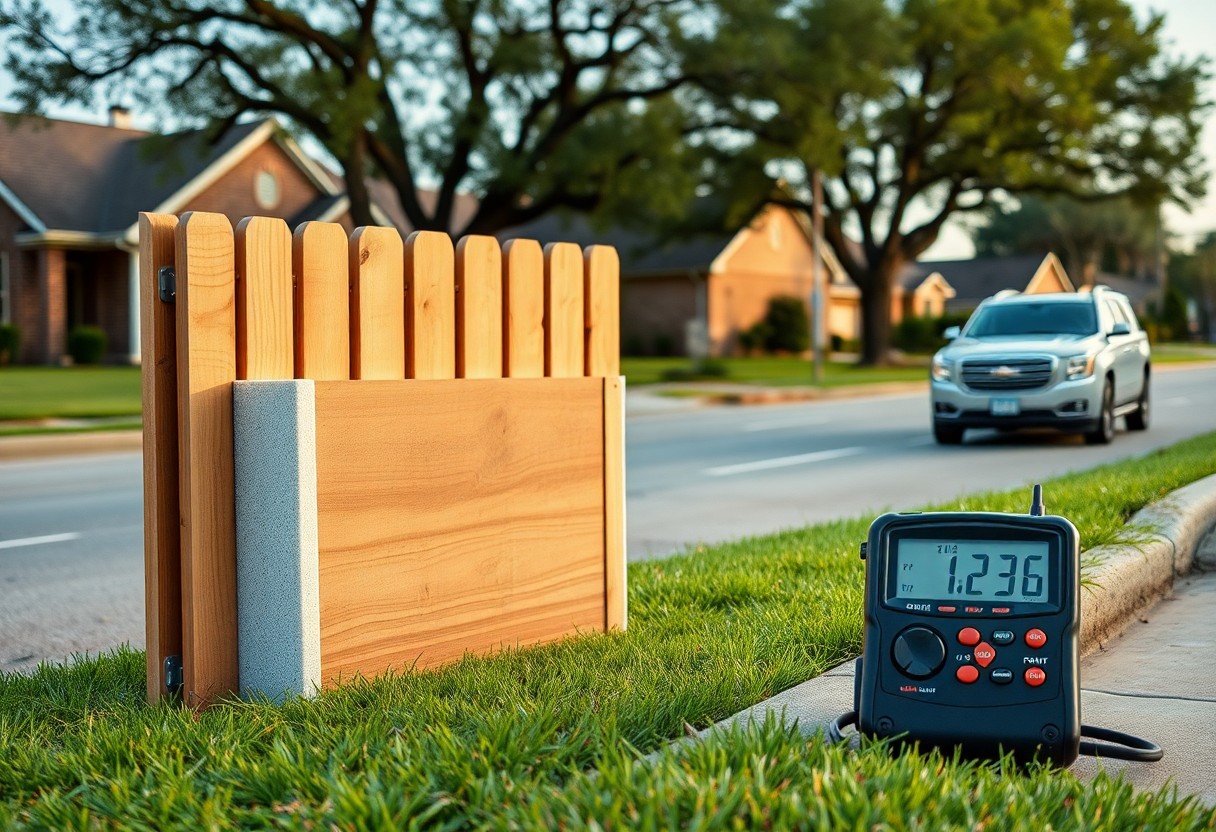
Sound travels as pressure waves you can interrupt with solid barriers; fences force waves to reflect, absorb, or diffract, and a properly designed fence reduces the direct energy reaching your yard, lowering perceived street noise without eliminating all ambient sound.
Reflection versus Absorption
Reflection sends sound back toward the source while absorption converts it to heat; you can lower echoes by pairing dense, reflective panels with absorptive layers so less noise reaches your property and fewer reverberations travel down the street.
The Role of Mass and Density in Barrier Effectiveness
Mass resists vibration, and you will notice heavier, denser fences block low frequencies better; selecting thicker boards or adding mass-loaded layers helps prevent deep traffic rumble from transmitting into your outdoor spaces.
Density increases transmission loss per the mass law, so you should use continuous heavy panels or layered assemblies (for example, plywood plus mass-loaded vinyl) to boost low-frequency rejection; you must also seal gaps, avoid rigid vibration paths, and consider an absorptive facing to tame high-frequency reflections while keeping overall barrier mass high.
Identifying McKinney’s Street Noise Profile
Noise readings vary across McKinney, with arterial corridors and nearby commercial zones producing persistent daytime and evening hum that reaches residential streets; you should map hotspots to prioritize fencing and other mitigations where they will reduce the most intrusion.
Traffic Volume on Major Arterials and Tollways
Traffic on US-75 and local tollways creates sustained noise peaks during rush hours; you can assess peak windows and position fences to buffer the most affected properties.
Impact of Rapid Residential Expansion
Growth of new subdivisions has put homes closer to busy roads, so you may need taller or denser fences to compensate for reduced setback distances and protect outdoor living spaces.
You should evaluate lot orientation, setback, and existing vegetation so fences, berms, or absorptive panels are placed to block dominant noise vectors; consult post-construction sound readings and choose dense, high-mass materials to minimize reflection toward neighboring yards.
Optimal Fencing Materials for Noise Reduction
You should prioritize dense, continuous materials like solid wood or concrete that add mass and seal gaps, since those factors most reduce street noise in McKinney while keeping curb appeal.
Solid Board-on-Board Wood Construction
Board-on-board designs give you overlapping planks that minimize gaps, provide visual privacy, and can be sealed or lined with sound-absorbing material for better performance in McKinney’s climate.
Precast Concrete and Masonry Solutions
Precast concrete and masonry give you heavy, continuous barriers with few joints, delivering superior sound attenuation and long-term durability against Texas weather.
Concrete panels let you achieve continuous, high-mass walls that reflect and absorb traffic noise; you can add deep footings, vibration isolators, or textured finishes to limit flanking transmission. Masonry choices such as grouted CMU or stone veneer allow you to match neighborhood aesthetics while maintaining airtight joints, and professional installation ensures consistent acoustic performance and warranty protection.
Strategic Design and Installation Standards
Design choices determine how effective your fence will be at blocking street noise; choose dense materials, continuous panels, and careful placement to reduce reflections and lower transmission into your yard.
Maximizing Height for Sound Deflection
Raise fence height where regulations allow so you deflect more roadway noise; even an extra two feet can meaningfully cut direct sound paths and improve perceived quiet at your property.
Eliminating Gaps and Ground-Level Leaks
Seal every seam and install bottom skirting so you block ground-level leaks; gaps beneath gates and between panels let low-frequency energy pass into your yard.
Check the base regularly for holes, settling, or animal paths, and tighten panel joints to eliminate flanking. You can add concrete footings or compacted fill, install flexible gate sweeps, or attach heavy rubber or mass-loaded vinyl skirts to block low-frequency leaks. Combining a tight barrier with an earth berm or dense hedge adds absorption and helps preserve the seal over time.
Navigating McKinney Zoning and HOA Regulations
Local zoning and HOA rules affect the fence height, materials, and placement you can use to reduce street noise, so check covenants before planning sound-control fencing.
City Ordinances and Permit Requirements
McKinney requires permits for fences over certain heights and may restrict opaque barriers; you should consult the city code and pull permits to avoid fines or forced removal.
Balancing Acoustic Needs with Neighborhood Aesthetics
Consider mixing textured panels, staggered boards, and screening plants to soften appearance while preserving the sound-blocking performance you need.
You can pair absorptive materials like acoustic panels or mass-loaded vinyl behind decorative facades to reduce reflections without creating an eyesore. Mixing varying heights and setbacks keeps sightlines open for neighbors while maximizing low-frequency attenuation; coordinate colors and maintenance plans with your HOA and present a clear plan to minimize objections.
Cost-Benefit Analysis for McKinney Homeowners
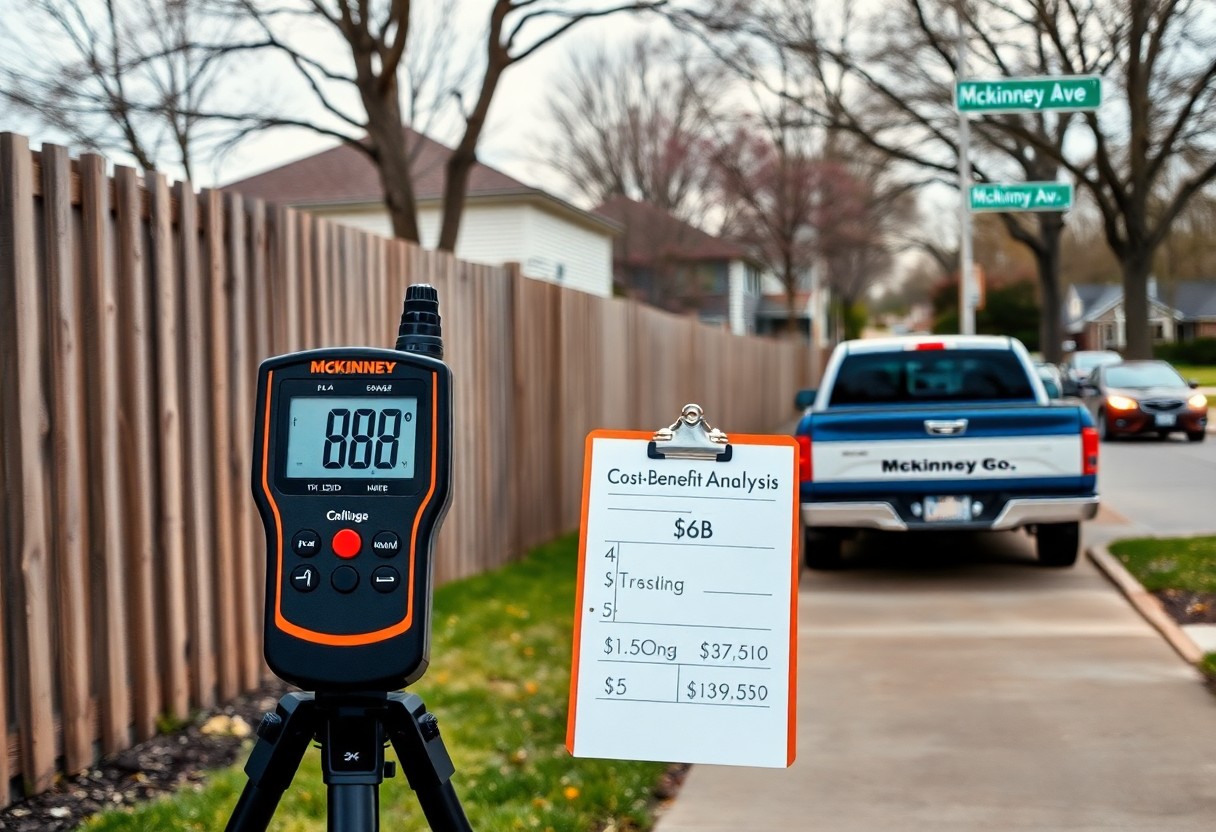
Calculating your fence’s return requires weighing upfront costs against noise reduction, daily comfort, and long-term maintenance to see if the investment suits your household priorities.
Installation Investment vs. Quality of Life Improvements
You should compare material and installation expenses with improved sleep, lower stress, and everyday enjoyment to determine whether the cost aligns with your budget and lifestyle.
Impact on Property Value and Marketability
Local buyers often prefer quieter yards, so you may see faster sales and slightly higher offers when a fence enhances privacy, noise control, and curb appeal.
Research shows that solid, taller fences-wood, vinyl, or masonry-offer the most noticeable noise reduction; when you select durable materials and professional installation, buyers perceive the benefit as practical. You should confirm McKinney permit requirements and HOA rules, document noise improvements, and consult local agents to estimate how much of your cost might be recouped at sale.
Conclusion
Considering all points, you can reduce street noise in McKinney, TX by installing a dense, tall fence with sound-absorbing materials, sealing gaps, and adding landscaping for extra absorption; combined measures often yield noticeable reduction, though effectiveness varies with height, mass, and distance from the road.
FAQ
Q: Can fencing reduce street noise in McKinney TX?
A: Yes. A properly designed and installed solid fence can reduce street noise by breaking the line-of-sight between the road and your yard, which lowers sound levels. Typical reductions for common solid fences range from about 3-8 dB. Dense masonry walls or purpose-built acoustic panels can provide greater attenuation, often in the 8-15 dB range under optimal conditions. A 10 dB reduction is roughly perceived as half as loud, so even modest reductions can make outdoor spaces and ground-floor rooms noticeably more comfortable.
Q: Which fence materials work best for noise reduction?
A: Materials with mass and continuity block sound most effectively. Solid wood with no gaps, concrete block, poured concrete, brick, and specially engineered acoustic panels are top performers. Vinyl and composite fences work when they are thick and installed without gaps, but they perform a bit worse than masonry at the same thickness. Combining a heavy barrier with an absorptive surface (for example, adding exterior acoustic panels or a textured finish) can reduce reflected sound and improve overall performance.
Q: How tall and where should a fence be placed to block street noise?
A: A fence must interrupt the direct path between the noise source and the listener to be effective. Taller fences perform better, but local height limits in McKinney and HOA rules usually control maximum heights; check city ordinances and neighborhood regulations before building. Position the barrier as close to the noise source as possible for the best result, or directly adjacent to the area you want protected if moving the fence closer to the road is not feasible. Seal gaps at the bottom and between panels and extend the fence beyond the immediate source-to-listener sightline where practical.
Q: Will a typical backyard fence stop traffic noise completely?
A: No. Street and highway noise contain high- and low-frequency components that travel in different ways, and a fence cannot eliminate all sound. Low-frequency noise (bass) is especially difficult to block with a conventional fence because it diffracts and transmits through structures more easily. Expect meaningful but partial reduction in overall levels; complete elimination usually requires a combination of large-mass barriers, earth berms, building upgrades such as acoustic windows and insulation, or moving the primary living areas away from the noise source.
Q: What other measures can I combine with a fence to improve noise control in McKinney?
A: Combine a solid fence with landscaping and grading to increase noise reduction. A modest earth berm placed on the street side of the fence increases barrier height in terms of sound propagation. Dense evergreen hedges and staggered plantings add absorption and help mask residual noise. Consider upgrading windows and doors on the home, adding mass-loaded barriers on porch walls, or installing certified acoustic fence panels for higher performance. A professional acoustical assessment will identify the most cost-effective mix of measures for a specific property and traffic pattern.